Blogs
Remote Work in GCC Tech: Productivity Friend or Foe
Content Editor · January 9, 2026 · 15 min read

Direct answer
Who is actually working remotely? Developers, product teams and support roles
The roles most likely to work remotely across GCC tech are. Backend and frontend developers shipping features on Jira or Azure DevOps Product managers and designers running sprints and discovery calls on Zoom Level-1 and Level-2 support teams taking tickets from home in Arabic and English Data and cloud engineers who need reliable, secure access more than a fixed desk Highly regulated teams (for example, core banking or payment operations) are still more office-based, especially where SAMA, QCB or other central-bank rules restrict how production systems are accessed. (sama.gov.sa)
Remote Work in GCC Tech: Productivity Friend or Foe For most GCC tech companies, remote work in GCC tech is a net productivity boon when it’s backed by clear KPIs, secure infrastructure and culturally aware management. UAE government research shows around a 4.6% productivity upli...
Remote Work in GCC Tech: Productivity Friend or Foe
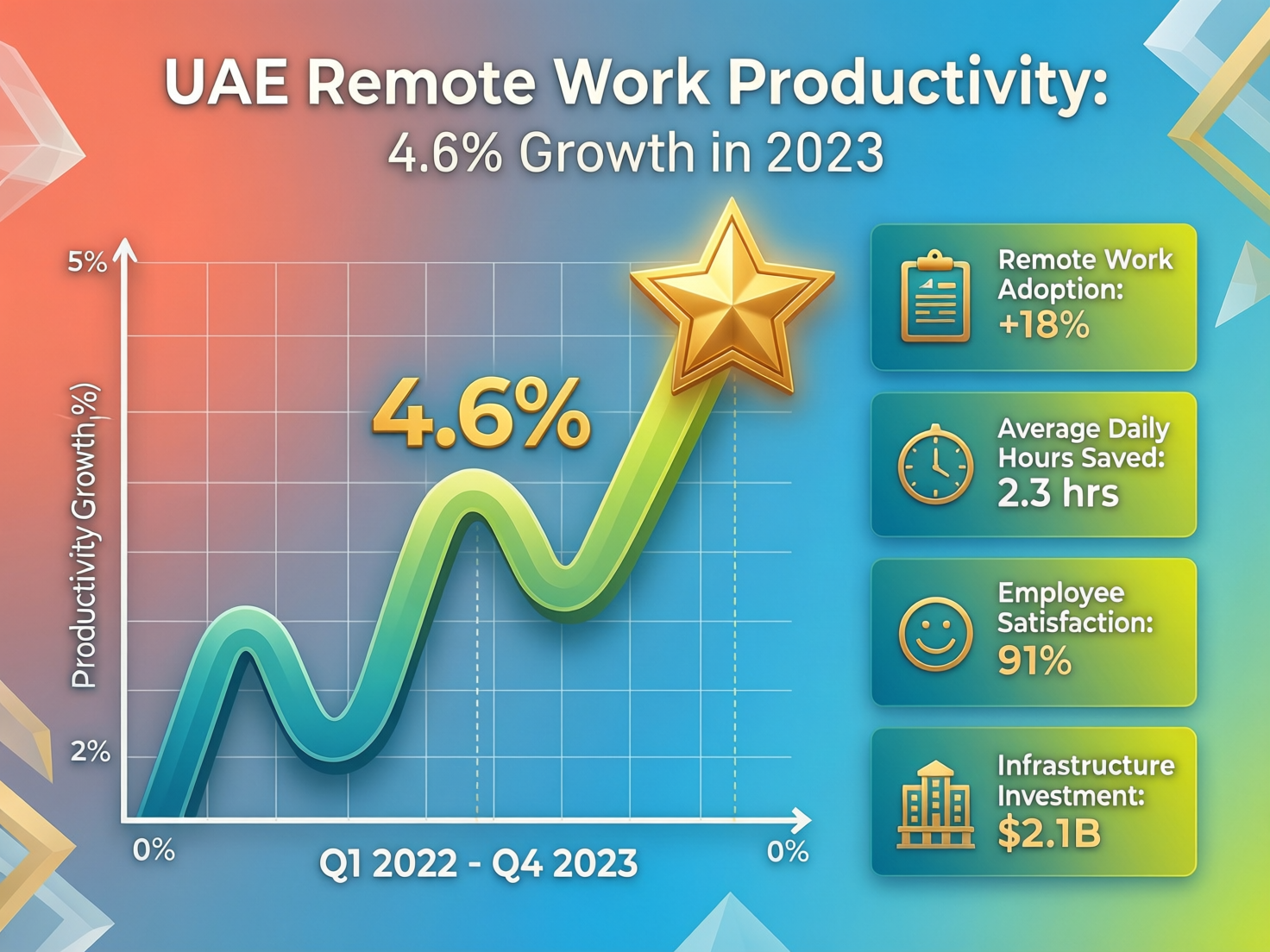
For most GCC tech companies, remote work in GCC tech is a net productivity boon when it’s backed by clear KPIs, secure infrastructure and culturally aware management. UAE government research shows around a 4.6% productivity uplift from remote and hybrid work, while Saudi Arabia’s Telework Program and Qatar’s Digital Agenda 2030 use flexible work to grow ICT jobs and female participation without sacrificing output.
Introduction
The COVID-19 shift turned “temporary” remote work into an everyday operating model for tech companies in Riyadh, Dubai, Abu Dhabi, Doha and beyond. Today, many software teams in the GCC split their week between home, coworking spaces and offices in business hubs like Riyadh’s King Abdullah Financial District or Dubai Internet City.
Why founders and HR leaders now question productivity, not just flexibility
The question is no longer “Should we allow remote work?” but “Is remote work in GCC tech actually improving developer productivity, or quietly slowing us down?” Senior HR leaders worry about focus, code quality and collaboration while employees talk about reduced commute stress, better work–life balance and easier access to global roles.
How this article uses Saudi, UAE and Qatar data to answer the debate
To move past opinions, we look at UAE government-backed research on productivity, Saudi Arabia’s Telework Program and labour-force data, and Qatar’s Digital Agenda 2030 targets for ICT jobs then translate all of that into practical frameworks and KPIs for GCC tech teams. (Gulf News)
What Remote Work Really Looks Like in the Middle East Tech Sector
Typical remote and hybrid models in Riyadh, Dubai and Doha tech companies
In Riyadh and Jeddah, many scale-ups have settled on a hybrid model with three days in the office and two remote, especially in fintech and government-adjacent projects where client meetings and compliance reviews still happen in person. In Dubai and Abu Dhabi, more flexible patterns are common two anchor days in the office and the rest remote or from coworking spaces.
Doha’s younger ICT sector often runs remote-first engineering squads while keeping core leadership and client-facing teams in the city. Kuwait, Bahrain and Oman tech firms usually follow similar patterns, especially where AWS Bahrain and other regional cloud hubs make distributed work practical.
Who is actually working remotely? Developers, product teams and support roles
The roles most likely to work remotely across GCC tech are.
Backend and frontend developers shipping features on Jira or Azure DevOps
Product managers and designers running sprints and discovery calls on Zoom
Level-1 and Level-2 support teams taking tickets from home in Arabic and English
Data and cloud engineers who need reliable, secure access more than a fixed desk
Highly regulated teams (for example, core banking or payment operations) are still more office-based, especially where SAMA, QCB or other central-bank rules restrict how production systems are accessed. (sama.gov.sa)
Distributed software engineering teams across GCC, Levant and South Asia
Most “remote GCC teams” are not just people in villas across Dubai. A typical Riyadh SaaS startup may have senior architects in KSA, a product lead in Dubai, QA in Amman, and a development squad in Lahore or Karachi, all working across two or three time zones. AWS Bahrain, Azure UAE Central and GCP Doha regions make it easier to keep data close to KSA/UAE/Qatar while tapping engineering talent across MENA and South Asia. (Mak it Solutions)
Boon or Bane? The Productivity Evidence from GCC Tech Teams
UAE studies.
UAE government research with PwC on “Remote Working in the UAE” reports around a 4.6% uplift in overall productivity from remote work, driven by less commuting and better focus for many knowledge workers, including ICT and digital roles.
For tech teams in Dubai and Abu Dhabi, this usually shows up as:
More story points completed per sprint
Fewer hours lost in unnecessary meetings
Better retention of experienced engineers who might otherwise churn
Telework Program, female participation and output gains
Saudi Arabia’s Telework / Remote Work Program, backed by MHRSD, is now the official legal framework for remote employment, defining who counts as a remote worker and how rights and obligations apply. In parallel, female labour-force participation has more than doubled since 2017, surpassing Vision 2030 targets a shift enabled in part by flexible and remote work options that allow women in cities like Dammam or smaller towns to join tech roles that used to be Riyadh-only.
For a Riyadh fintech startup, remote work is not just about comfort; it’s a way to access a wider, more diverse talent pool while keeping SAMA and NDMO data rules in mind.
Qatar and wider GCC.
Qatar’s Digital Agenda 2030 aims to add around QAR 40 billion to non-hydrocarbon GDP by 2030 and create tens of thousands of ICT jobs, with digital skills and flexible work models as key levers. CRA has explicitly supported remote work by ensuring resilient telecom networks and home-working offers during and after the pandemic.
Across Kuwait, Bahrain and Oman, similar digital and labour strategies increasingly treat remote work as part of national competitiveness, not a temporary perk reinforcing that, at a macro level, the GCC expects more output from well-managed remote teams, not less.
Policy, Compliance and Data Residency for Remote Tech Teams
What Saudi Telework rules, SAMA and NDMO mean for remote developers in KSA
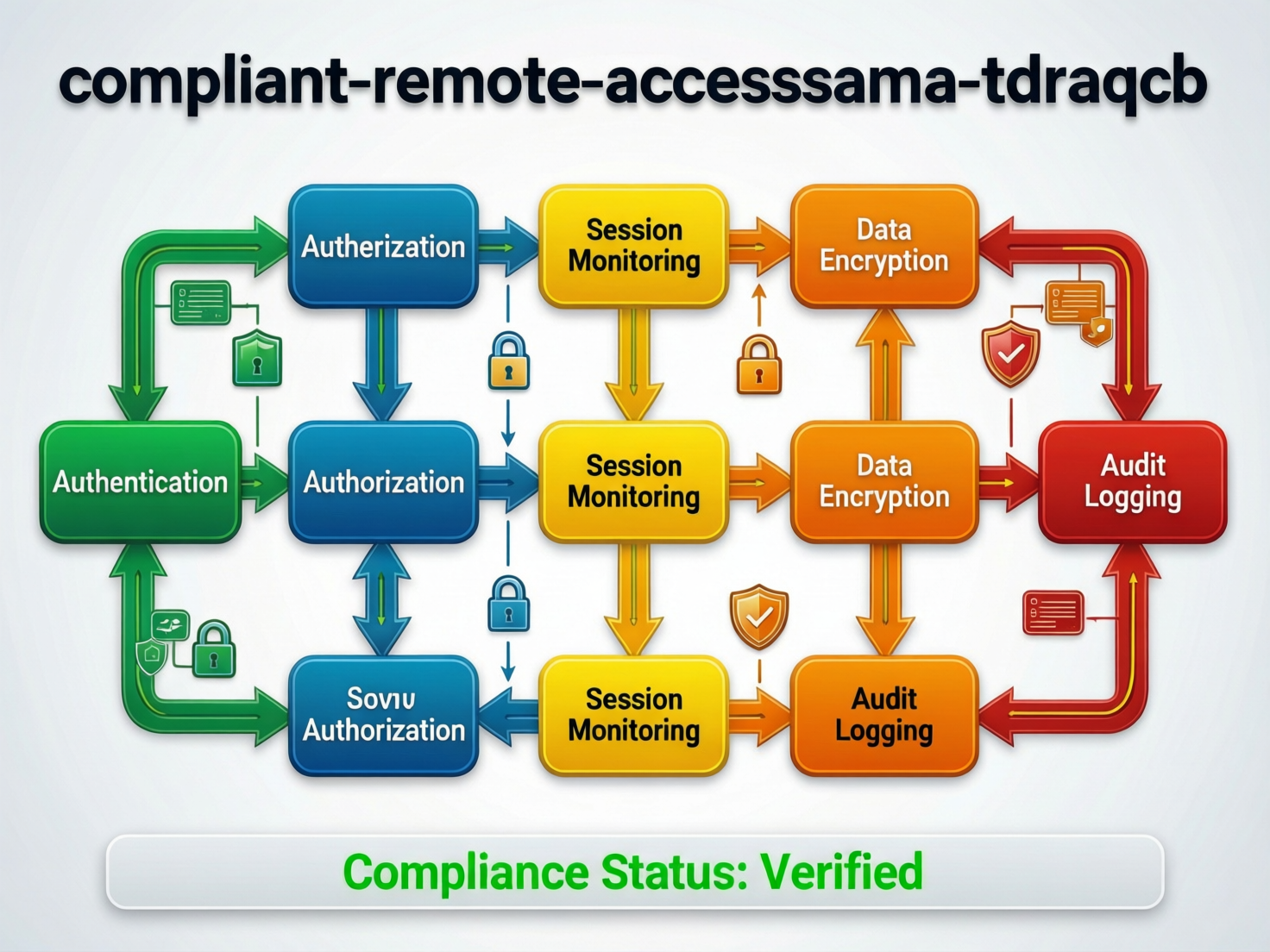
In KSA, HR teams must align employment contracts with the official Telework Program framework, which defines who qualifies as a remote worker and how rights and obligations apply. For fintech, banking and insurtech teams, SAMA’s Cybersecurity Framework and NDMO/PDPL rules add another layer: secure remote access, logging of privileged sessions and strong data-residency controls so production data does not leave approved environments when developers connect from home.
TDRA, AI & Remote Work Office and free zones like DIFC/ADGM
The UAE’s Minister of State for Artificial Intelligence, Digital Economy and Remote Work Applications, together with TDRA, treat remote work as part of the national digital economy strategy, not a side experiment. Dubai and Abu Dhabi tech firms must consider which regime applies (onshore, DIFC, ADGM) and ensure remote access to systems in banking, telecom or health respects sector data rules and cloud-location constraints.
Remote work policies increasingly reference federal PDPL requirements, TDRA guidance and internal security standards so that flexible work does not compromise compliance.
Qatar’s Digital Agenda, QCB expectations and cross-border access to production systems
Doha fintech and SaaS teams operate under Qatar’s personal data law and a growing stack of QCB technology and cloud-computing regulations that set strict expectations for information security and remote access.
Remote work is allowed, but CTOs must show that developers working from home in Doha or temporarily in another GCC country are using hardened devices, VPNs, MFA and controls aligned with Technology Risk Instructions and cloud regulations. In practice, production access is treated as high risk, with clear approvals and audit trails.
Remote Work, Talent Attraction and Retention in GCC Tech
How Dubai and Riyadh startups use remote work to attract senior engineers globally
Startups in Dubai and Riyadh increasingly advertise roles that are “remote within time zone ±3 hours” to pull in senior engineers from Amman, Istanbul, Karachi and Cairo offering competitive GCC salaries without always requiring relocation. That flexibility can be the deciding factor for hard-to-find specialists in payments, cybersecurity or AI/ML.
Remote tech jobs in the Middle East.
On platforms like Bayt, LinkedIn and specialist remote-job boards, you’ll now see many listings from Dubai, Abu Dhabi, Riyadh, Jeddah and Doha labelled as “remote in MENA” or “hybrid in GCC”. These often target bilingual (Arabic–English) engineers familiar with regional compliance, cloud providers and Gulf business culture.
Retention upside.
When done well, remote work boosts employee engagement in remote tech teams: fewer burnout-driven resignations, better work–life balance for parents and more inclusive opportunities for people outside capital cities. For GCC cultures that value family life and community, a thoughtful hybrid model often reduces churn provided leaders invest in shared rituals, fair workload distribution and visibility for remote staff.
How to Measure Productivity in Remote Software Teams
Moving beyond “hours online” to velocity, cycle time and defect rates
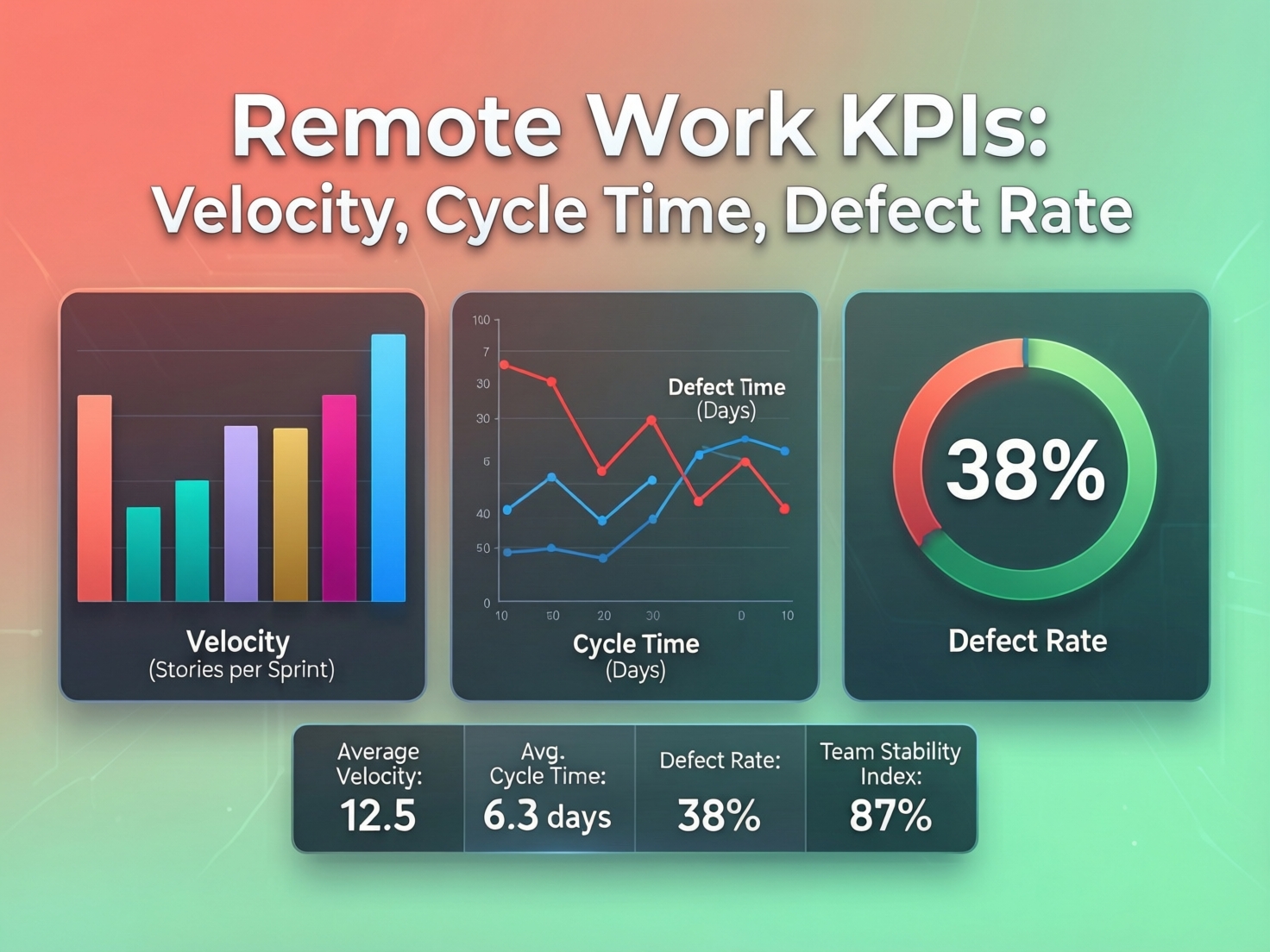
Counting green dots on Microsoft Teams is not a productivity strategy. GCC tech leaders are shifting to remote work productivity KPIs such as:
Sprint velocity (story points or tickets completed)
Lead and cycle time from ticket creation to production release
Defect rate and escaped bugs
Deployment frequency and mean time to recovery
These metrics give a truer picture of whether remote work is improving throughput and quality for distributed software engineering teams.
Setting up dashboards and check-ins for distributed dev squads in GCC
For a remote squad spread across Riyadh, Dubai and Lahore, practical measurement looks like:
Shared Jira or Azure DevOps dashboards visible to engineering and HR
Weekly squad check-ins focused on blockers and outcomes, not “time online”
Monthly reviews of cycle time and defect trends, sliced by team, not by country
Specialized analytics and BI tools or custom dashboards built with a partner like Mak It Solutions help connect Git, CI/CD, support and HR data into one view.
Balancing trust and monitoring in Arabic English hybrid workplaces
In Arabic English hybrid workplaces, managers need to balance accountability with trust. Heavy-handed monitoring (screenshots, keystroke tracking) often backfires in high-skill tech roles, especially in culturally conservative settings where trust and dignity matter. Clear OKRs, transparent KPIs and open conversations about performance work far better than surveillance tools.
Designing a High-Performing, Compliant Remote/Hybrid Model in KSA, UAE and Qatar
Step-by-step framework for remote work policies in Riyadh, Dubai and Doha startups
Map roles and regulators
Identify which roles can be fully remote, hybrid or office-based, and which regulators apply (MHRSD/SAMA/NDMO in KSA, TDRA and free-zone rules in UAE, MCIT/QCB/CRA in Qatar).
Define allowed locations and time zones
Decide whether remote work is “city only”, “within country”, “within GCC” or “within MENA”, and reflect that in contracts and Telework or free-zone approvals.
Lock in security and data-residency controls
Require hardened devices, VPN/MFA, password policies and clear rules on accessing production systems, aligned with SAMA, QCB and TDRA expectations.
Set outcome-based KPIs and communication rituals
Use velocity, cycle time, defect rates and customer satisfaction, plus agreed daily and weekly rituals (stand-ups, retros, one-to-ones) that work across Arabic and English.
Pilot, review and scale
Start with one or two squads, review data after a clearly defined pilot period of roughly three to six months, then scale remote work models that clearly improve both productivity and retention.
Building an Arabic–English remote work culture.
High-performing GCC remote teams lean on async habits: Arabic/English written specs, recorded Loom updates and clear documentation in tools like Confluence or Notion. Leaders in Riyadh, Dubai or Doha also schedule regular one-to-ones, performance feedback and offsites so remote engineers feel part of the same story not second-class contributors.
Tools, SaaS platforms and governance models GCC tech leaders actually use
Practically, GCC tech leaders combine.
Secure identity and access (SSO, MFA)
Cloud platforms anchored in AWS Bahrain, Azure UAE or GCP Doha
Collaboration tools (Teams, Slack, Zoom) configured for regional data and language needs
Governance models inspired by SAMA/TDRA/QCB frameworks, with simple policies documented in Arabic and English
Here, partnering with a GCC-aware technology firm like Mak It Solutions to align tooling, policies and dashboards can turn remote work from an ad hoc experiment into a scalable operating system.
When remote work becomes a clear productivity boon in Middle East tech
Overall, remote work in GCC tech is a boon, not a bane, when teams have clear KPIs, secure cloud foundations and leaders who invest in culture, feedback and documentation. UAE’s 4.6% productivity uplift and Saudi and Qatari digital strategies all point in the same direction: structured flexibility works.
Signs remote or hybrid is hurting output and culture
It’s a warning sign when stand-ups become status theatre, cycle time keeps rising, bugs spike after releases, or junior engineers in Jeddah or Sharjah feel invisible compared with HQ staff. These are signals to adjust rituals, coaching and workload not to give up on remote work entirely.
How HR leaders and founders in the GCC can pilot, measure and scale better models
For HR leaders and founders in Riyadh, Dubai and Doha, the path forward is simple: design a compliant model, run a structured pilot with good data, then scale what works. With the right partner helping on cloud, data and engineering processes, remote work can become a strategic advantage for your GCC tech team.
Regulations, labour rules and visa options can change, so always review the latest official guidance or consult qualified legal and PRO advisors before updating contracts or cross-border remote-work policies.
If you’re leading tech teams in Saudi Arabia, the UAE or Qatar and want remote work in GCC tech to increase productivity instead of creating noise, you don’t have to figure it out alone. Mak It Solutions can help you design remote-friendly architectures, dashboards and workflows that respect GCC data rules and support high-performing software squads. Reach out to our team to book a consultation or workshop tailored to your Riyadh, Dubai or Doha tech organisation.( Click Here’s )
Frequently asked questions
Quick answers related to this article.
Comments
Join the discussion. Comments are moderated.
No comments yet. Be the first to share a thought.
Building something related?
Tell us about your product goals — we’ll respond with a clear next step.
Discuss your project